Stuffy nose in one room of the house, or sneezing when you clear out a damp cupboard? Penicillium is one of the most common indoor moulds, the blue-green fuzz on old bread and damp walls. Our test checks for IgE sensitisation to Penicillium as part of 300 allergens and allergen components. One thing first: this is about the mould, not about penicillin, the antibiotic.
This is the most common mix-up. Penicillin is an antibiotic first found in a Penicillium mould. A penicillin allergy is a reaction to the drug molecule. A Penicillium mould allergy is a reaction to proteins in the mould's spores and fragments, which you breathe in.
The two are separate. Being sensitised to the mould says nothing about whether you can take penicillin, and a penicillin allergy does not mean you react to mould. Our test does not check drug allergies. If you have questions about an antibiotic, ask your doctor.
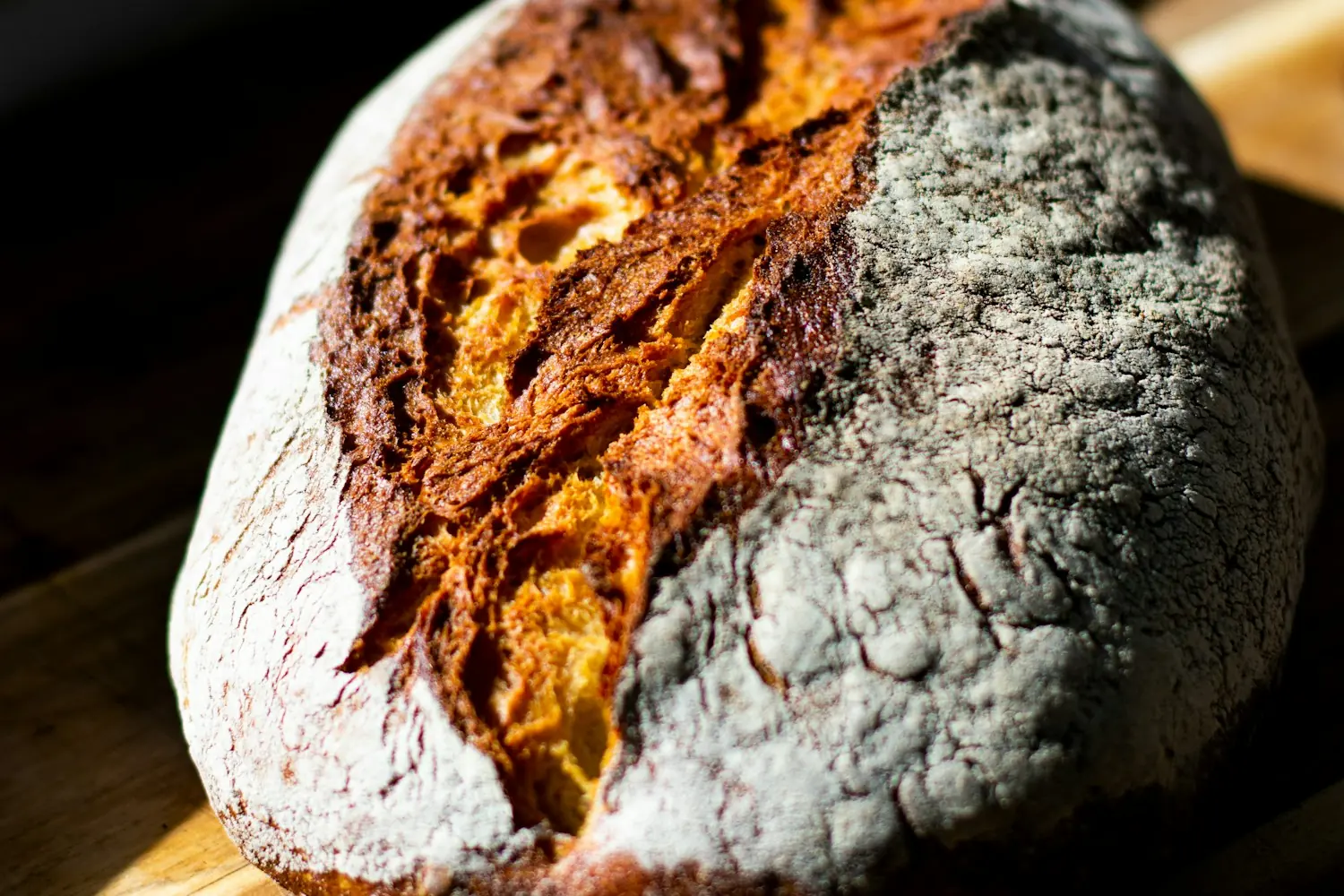
Penicillium is a large group of moulds that grow almost anywhere with moisture and organic material. Penicillium chrysogenum (once called Penicillium notatum) is the species allergy labs use. It is among the moulds found most often in damp homes across Europe.
Unlike Alternaria or Cladosporium, Penicillium is mainly an indoor mould. So there is no clear outdoor season; exposure follows damp, ventilation and how much mould is in the home.
People describe hay-fever-type symptoms that do not follow pollen seasons: sneezing, a runny or blocked nose, itchy eyes. Typical patterns are symptoms that are worse in one room, in autumn and winter when windows stay closed, or when clearing out a damp basement. Some notice a cough or wheeze, which is worth raising with a doctor.
The lab measures IgE to a whole extract of Penicillium chrysogenum, as part of 300 allergens and allergen components. Aspergillus fumigatus, Cladosporium and Alternaria are on the same panel, so you see the indoor and outdoor moulds side by side with house dust mite and pollen.
A positive result shows sensitisation, not a confirmed allergy, and it does not tell you whether your home has mould. Each value gets a class from Negative to Very high, a pattern to discuss with a doctor.
Page last updated
One finger-prick sample checks IgE to 300 allergens and allergen components, from birch and peanut to cat and house dust mite. Post it to the lab, and about 5 days after it arrives you get a value for every one. Our plain-English guide shows you how to read them. €399 in total, €1.33 per allergen.
No, the two are separate. Penicillin allergy is a reaction to the antibiotic molecule. Penicillium mould sensitisation is IgE to proteins in the mould. This test measures the mould, not drug allergy. Ask your doctor about any antibiotic questions.
Blue cheese and Camembert use other Penicillium species, and eating them is a different exposure from breathing in spores. Most people with mould sensitisation eat these cheeses without problems. If you have reacted to one, talk to a doctor rather than relying on a result.
No. The test measures IgE in your blood, not mould in your home. If you see or smell damp, have the building checked, whatever your result shows.