Hives after goat's cheese, or wondering whether goat's milk is a safe swap for cow's milk? Goat's and sheep's milk proteins are close copies of cow's milk proteins, and a rarer group of people reacts to goat and sheep only. Our test checks your blood for IgE to goat's, sheep's, camel's and mare's milk, as part of 300 allergens and allergen components, next to cow's milk and its seven single proteins.
Cows, goats and sheep are all ruminants. Their milk proteins, the caseins and the whey protein beta-lactoglobulin, are very similar. Most people with cow's milk allergy also react to goat's and sheep's milk. In an Italian study, 24 of 26 children with cow's milk allergy reacted to goat's milk in a supervised challenge.
That is why allergy guidelines do not recommend goat's or sheep's milk as a substitute in cow's milk allergy.
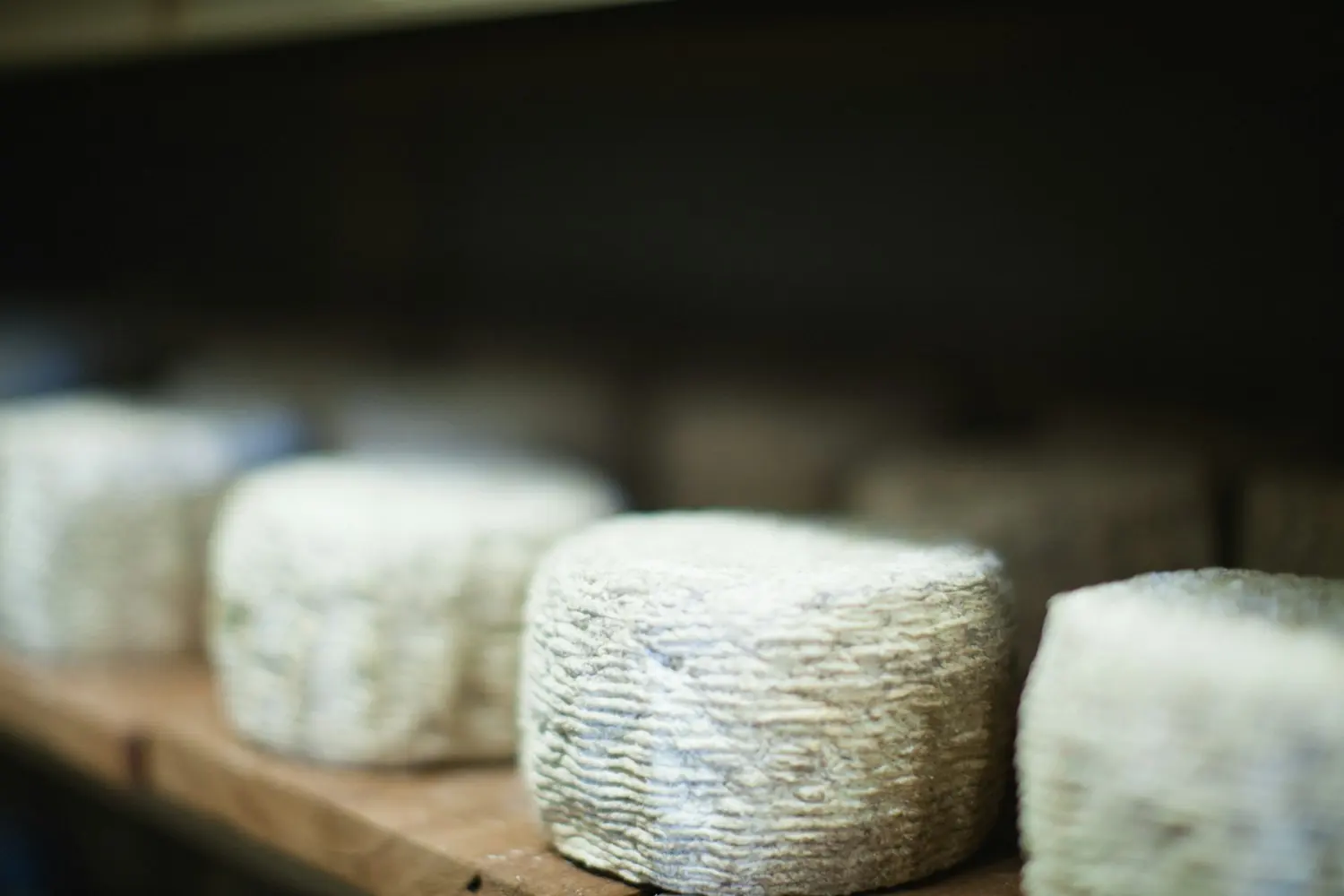
There is also a rarer pattern in the other direction: people who react to goat's or sheep's milk and cheese but tolerate cow's milk. Their antibodies target goat and sheep caseins and barely recognise cow caseins. It tends to start later, in older children and adults, and the reactions described can be severe.
Because they eat cow's milk without trouble, people in this group often do not suspect milk at all. Feta, halloumi and goat's cheese in restaurant dishes are typical surprises.
Camel's and mare's milk are further from cow's milk. Studies in children with cow's milk allergy found that most tolerated mare's milk, and camel's milk proteins are recognised less often than goat's milk proteins. Less is not none, and some children did react. These milks are not a do-it-yourself swap; any change belongs with a doctor.
Reports include itching or swelling in the mouth, hives, stomach cramps, vomiting, diarrhoea, wheezing and, in some people, severe reactions. They usually start within minutes to two hours of eating.
Swelling of the lips, tongue or throat, trouble breathing or feeling faint after eating is an emergency. Call 112 (EU) or your local emergency number. Do not wait for a test.
From your finger-prick sample, the lab measures IgE to four whole milk extracts as part of 300 allergens and allergen components. Cow's milk is on the same panel as a whole extract and as seven single proteins, including caseins and beta-lactoglobulin, so a doctor can see whether a goat or sheep result is part of a cow's milk pattern or stands alone. Your lab report gives each value a class from Negative to Very high.
Page last updated
One finger-prick sample checks IgE to 300 allergens and allergen components, from birch and peanut to cat and house dust mite. Post it to the lab, and about 5 days after it arrives you get a value for every one. Our plain-English guide shows you how to read them. €399 in total, €1.33 per allergen.
Usually not. Goat's milk proteins are very similar to cow's milk proteins, and most people with cow's milk allergy react to both. Guidelines do not recommend it as a substitute. Ask a doctor or dietitian about alternatives.
Some people make IgE to goat and sheep caseins that barely recognise cow caseins. It is rare and often starts later in childhood or in adults. The panel measures goat's, sheep's and cow's milk separately, so you can see the pattern.
No. Lactose intolerance is about digesting milk sugar and does not involve IgE. A milk allergy is an immune reaction to milk proteins. This test measures IgE, so it does not test for lactose intolerance.
They are less similar to cow's milk, and studies found most children with cow's milk allergy tolerated them. Some did react. Only try them with a doctor's advice. Both are on the panel.